


Seasonal Pet Health in Redding, CA: What Every Pet Owner Should Know in 2026
Seasonal pet health in Redding, CA, is a year-round concern shaped by extreme summer heat, wildfire smoke, foxtail grasses, and persistent parasites. Pet owners who know what to expect and when to act can significantly reduce their pets' risks. Partnering with a trusted veterinary clinic serving Redding, CA, throughout the year is one of the most effective steps any owner can take in 2026. Call Millville's team at (530) 547-4457 to schedule your pet's next seasonal wellness visit.
Summer Heat in Redding Can Put Your Pet in Serious Danger
Redding is one of the hottest cities in the country, with afternoon temperatures topping 110 degrees during heat waves and little overnight relief. That sustained heat can be life-threatening for pets.
A healthy pet's body temperature is typically 101 to 102.5 degrees Fahrenheit. Heatstroke occurs above 105 degrees, and at 106 degrees or higher, organs can be damaged. Watch for heavy panting, thick drooling, bright red gums, weakness, and confusion. If you notice these signs, move your pet to a cool area immediately and contact your veterinary clinic. Never leave a pet in a parked car, even briefly.
On the hottest days, limit outdoor activity to early morning or after sunset, always provide fresh cool water, and avoid hot pavement that can burn paw pads within seconds once air temperatures exceed 100 degrees.
What Are Foxtails, and Why Are They So Dangerous for Pets in Redding?
Foxtails are a serious warm-season hazard throughout Shasta County. These grasses dry into brittle, barbed hazards from late April through October. Their shape allows them to attach to fur and migrate into ears, nasal passages, eyes, paws, and internal organs. Unlike a splinter, a foxtail will not work its way back out, and a pet's body cannot dissolve the plant material. Left untreated, it burrows through soft tissue, causing severe infections, abscesses, and deep tissue damage.
After any walk along the Sacramento River Trail, near Palo Cedro, or anywhere with dry grass, check your pet carefully, paying close attention to paws and between toes (where foxtails lodge most often), ear canals (sudden head shaking may signal an embedded awn), the nose area (repeated violent sneezing can indicate nasal penetration), and any skin where you notice swelling or licking.
Do not attempt to remove an embedded foxtail yourself. Once it has penetrated the skin, improper removal can cause it to break apart beneath the surface. Prompt veterinary clinic care is essential. Learn more about preventive pet health to stay ahead of hazards like these.
Lifestyle and Risk-Based Vaccines for Pets in the Redding Area
Non-core vaccines are recommended based on where your pet goes and what they encounter.
For dogs in and around Redding, the local outdoor environment is the biggest factor. The bacteria that cause leptospirosis spread through the urine of infected wildlife and can contaminate water or soil for weeks to months. Dogs typically contract it by drinking or wading in stagnant water like puddles, ponds, or muddy dog parks. Dogs that hike, swim, or visit rural areas face elevated exposure.
Other non-core options to discuss with your vet include Bordetella (kennel cough), recommended for dogs that board, visit groomers, or go to dog parks; canine influenza for dogs in frequent contact with other dogs; and FeLV for adult cats, which is most relevant for cats that go outdoors or live with FeLV-positive cats.
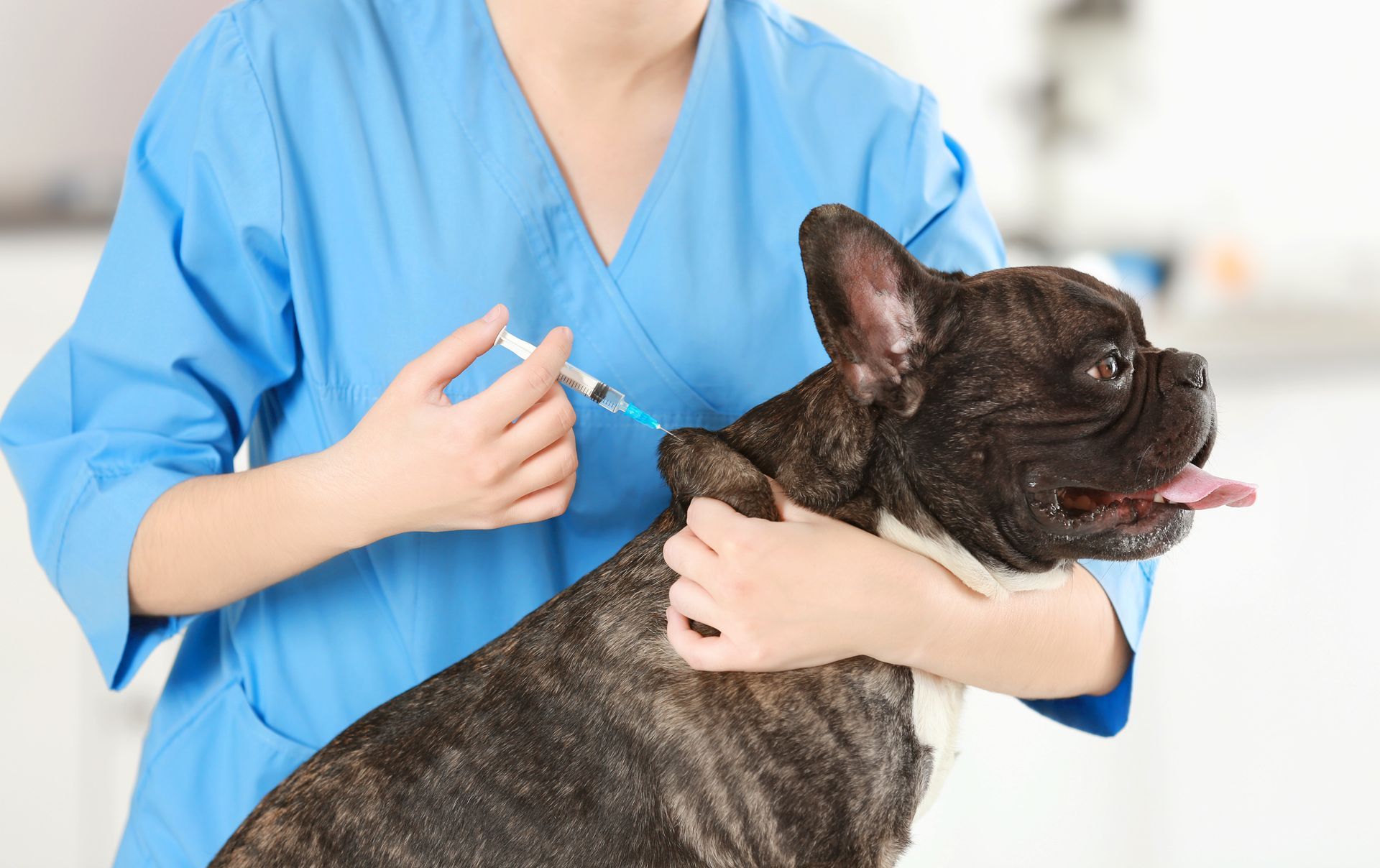
Bringing details about your pet's lifestyle, travel, boarding, and outdoor activities to your Pet Vaccination Clinic appointment helps the veterinary team tailor recommendations to your pet's actual risk level.
Wildfire Smoke Affects Your Pets Too
Wildfire smoke is a recurring seasonal reality in the Redding area, and pets can suffer many of the same respiratory effects as people. Older, younger, pregnant, and flat-faced animals such as Pugs, Bulldogs, and Persian cats are especially vulnerable when air quality deteriorates.
Signs that smoke may be affecting your pet include coughing, gagging, or wheezing; red or watery eyes; open-mouth or rapid breathing; and lethargy or reduced appetite. During smoky periods, limit outdoor exposure, keep windows closed, and use air conditioning with quality filters. Check the Air Quality Index at airnow.gov before heading outside. If air quality is rated Unhealthy or worse, keep outings brief and bring outdoor pets inside.
Fall and Winter Parasite Prevention Still Matters in Shasta County
Cooler weather does not end parasite season around Redding. California is a year-round flea and tick state, and the western black-legged tick, the primary vector for Lyme disease in California, is most active during the cooler, wetter months from late fall through spring. Shasta County's oak-covered hills and rural terrain around Millville and Bella Vista can harbor ticks well into winter. Common tick-borne diseases in Northern California include Lyme disease, Rocky Mountain spotted fever, tick-borne relapsing fever, and tularemia.
After time in brushy or wooded areas, check behind your pet's ears, between toes, under the collar, and along the belly. Ask your veterinary clinic about year-round flea, tick, and heartworm prevention products suited to your pet's needs. Explore wellness and preventive care services to find the right protection plan.
Should I Use Parasite Prevention Year-Round in Redding, CA?
Yes. Veterinary guidelines consistently support year-round parasite prevention for pets in Northern California. Fleas and ticks remain active well into fall and often throughout winter. Gaps in coverage allow infestations to establish that are far harder to treat than prevent.
Make 2026 the Year You Stay Ahead of Seasonal Pet Health Risks
Scheduling routine wellness exams, keeping vaccinations current, and discussing seasonal risks at each visit can help catch concerns before they become serious. Millville, serving Redding and Shasta County since 1981, offers comprehensive wellness and preventive care, parasite prevention, diagnostics, and more. Call (530) 547-4457 to schedule an appointment, or contact the team with questions about your pet's seasonal health needs.
Visit
Millville Veterinary Clinic on Google Maps for business details and location information.
Recent Posts