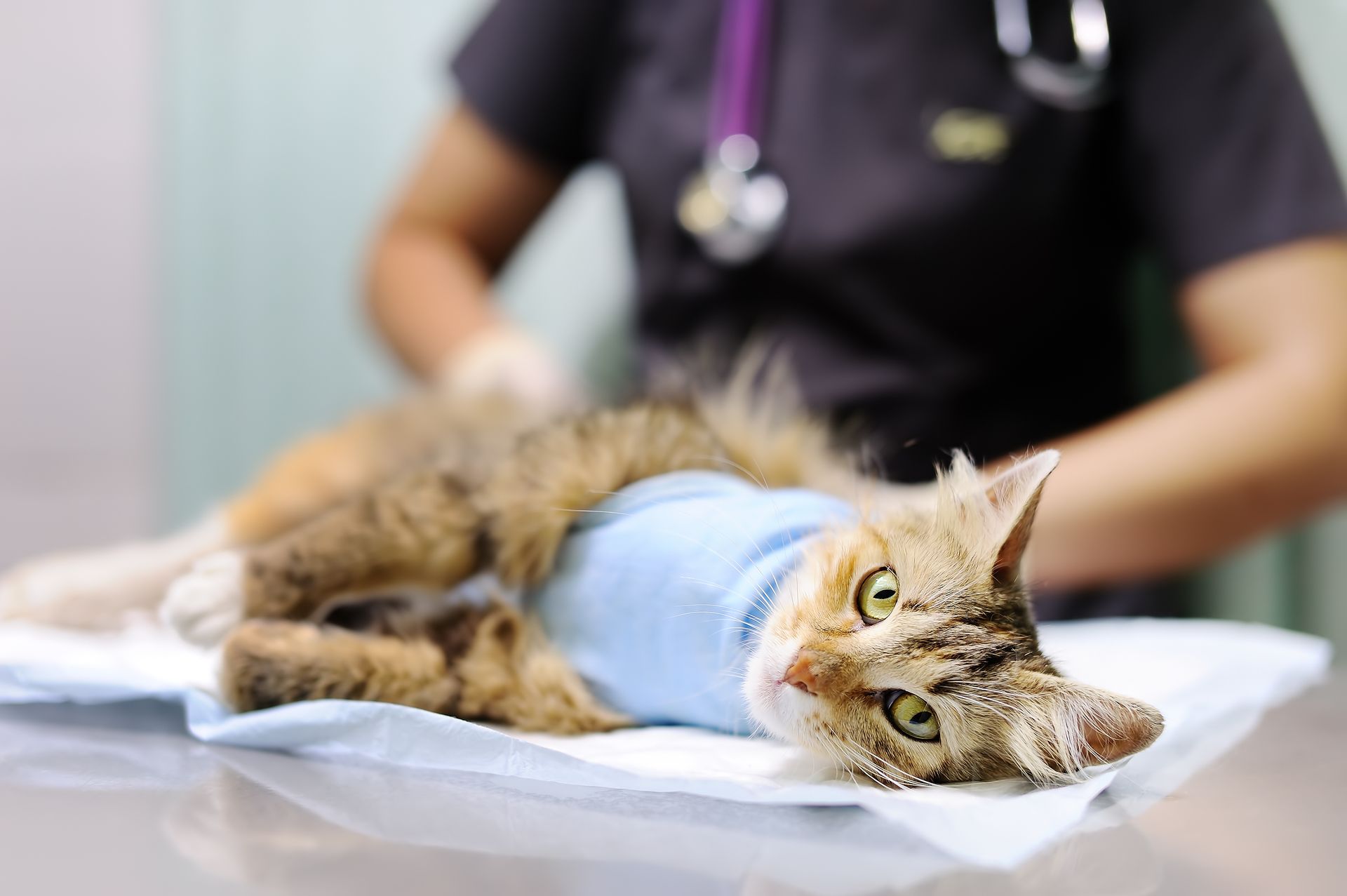



What Vaccines Does My Dog or Cat Actually Need in California? A Pet Vaccination Clinic Guide
Knowing which vaccines your dog or cat actually needs in California is one of the most practical steps you can take to protect your pet's long-term health. Pet owners throughout the region can find clear, professional guidance at a Pet Vaccination Clinic serving Redding, CA, and the surrounding Shasta County communities. This article breaks down California's legal requirements, core vaccine recommendations, lifestyle-based optional vaccines, and suggested schedules for puppies, kittens, and adult pets.
What California Law Actually Requires for Dog and Cat Vaccines
California Health and Safety Code Section 121690 requires that all dogs aged four months or older be vaccinated against rabies. Proof of rabies vaccination is mandatory for dog licensing in every California county.
Cats are treated differently. State law does not mandate rabies vaccination for cats, though several counties have their own requirements. Even so, veterinarians advise vaccinating both indoor and outdoor cats. In Shasta County, where pets can encounter bats and skunks near rural properties around Redding, this guidance carries added weight, since a bat bite can be small enough to go unnoticed. Keeping rabies vaccines current is one of the most straightforward ways to protect your household.
Core Vaccines Every Dog and Cat Should Have
Core vaccines are recommended for all pets regardless of lifestyle, covering diseases that are widespread, serious, or pose a public health risk.
- For dogs, core vaccines include rabies (required by California law), canine distemper virus (CDV), canine adenovirus type 1 (CAV-1), canine parvovirus type 2 (CPV), and leptospirosis, which was added as a core recommendation for all dogs in 2024.
- For cats, core vaccines include rabies (strongly recommended even where not legally mandated), feline parvovirus (FPV), feline calicivirus (FCV), feline herpesvirus-1 (FHV), and feline leukemia virus (FeLV) for cats younger than one year.
A Pet Vaccination Clinic can confirm which core vaccines your dog or cat is due for based on age and vaccination history.
Lifestyle and Risk-Based Vaccines for Pets in the Redding Area
Non-core vaccines are recommended based on where your pet goes and what they encounter.
For dogs in and around Redding, the local outdoor environment is the biggest factor. The bacteria that cause leptospirosis spread through the urine of infected wildlife and can contaminate water or soil for weeks to months. Dogs typically contract it by drinking or wading in stagnant water like puddles, ponds, or muddy dog parks. Dogs that hike, swim, or visit rural areas face elevated exposure.
Other non-core options to discuss with your vet include Bordetella (kennel cough), recommended for dogs that board, visit groomers, or go to dog parks; canine influenza for dogs in frequent contact with other dogs; and FeLV for adult cats, which is most relevant for cats that go outdoors or live with FeLV-positive cats.
Bringing details about your pet's lifestyle, travel, boarding, and outdoor activities to your Pet Vaccination Clinic appointment helps the veterinary team tailor recommendations to your pet's actual risk level.
Puppy and Kitten Vaccine Schedules
Young animals need a series of vaccines because their immune systems are still developing.
- For puppies: A modified live virus (MLV) vaccine containing CPV, CDV, and CAV-2 is recommended every 3 to 4 weeks starting at 6 to 8 weeks of age, with the final dose given no earlier than 16 weeks. Rabies vaccine is given at or after 12 to 16 weeks per California law, followed by a booster one year later, then every one to three years depending on vaccine type.
- For kittens: Core vaccines typically begin around 6 to 8 weeks and are repeated every 3 to 4 weeks until 16 weeks of age. FeLV vaccination is recommended for all kittens and young cats. The exact schedule can vary depending on the vaccine type and how it is given.
Starting this series at a Pet Vaccination Clinic as early as possible gives young animals the best protection during their most vulnerable window.
Adult Pet Booster Timelines
Immunity fades over time, so boosters are essential to keep pets protected. Most core vaccines follow a schedule of boosters one year after the initial puppy or kitten series, then every one to three years depending on the specific vaccine and your pet's health history. Leptospirosis and Bordetella typically require annual boosters. Titer tests can help assess existing immunity before a booster is recommended.
Gaps in coverage can leave pets vulnerable, particularly in Shasta County, where wildlife contact is common. Scheduling regular visits to a Pet Vaccination Clinic is the simplest way to keep your pet's records current.
Does California Require Rabies Vaccination for Cats?
California state law does not require rabies vaccination for cats, but local ordinances and veterinary guidance strongly recommend it. Cats in Shasta County can encounter bats and skunks, both known rabies carriers. Most veterinarians advise keeping both indoor and outdoor cats current on rabies vaccines.
How Often Does My Dog Need a Rabies Booster in California?
After the initial rabies vaccine at four months, dogs typically receive a booster one year later, then every one to three years depending on vaccine type and local requirements.
When Should I Start Vaccinating My Puppy or Kitten?
Puppies and kittens can generally begin their vaccine series as early as 6 to 8 weeks of age, continuing every 3 to 4 weeks until around 16 weeks. A Pet Vaccination Clinic can set up a schedule that fits your pet's needs.
Schedule Your Pet's Vaccines With Millville Veterinary Clinic
Millville Veterinary Clinic, serving Redding, CA, and the Shasta County area, offers vaccination clinics as part of its full range of veterinary care. The team develops vaccination schedules based on your pet's age, lifestyle, risk factors, and overall health.
Visit our
pet wellness care page to learn more about preventive services, or
contact us to schedule an appointment. Call the clinic directly at
(530) 547-4457 to speak with a team member about your pet's vaccine needs. You can also find us on
Google Maps at Millville Veterinary Clinic.
Recent Posts